Source Broom Handle Making Machine for Production Lines
Find and compare 30 broom handle making machine models from Henan, China. Evaluate specifications like power, weight, and cutting diameter to select the right equipment for manufacturing mop rods and broom handles efficiently; compare the available evidence and request quotations based on your requirements.
Key considerations
Products List


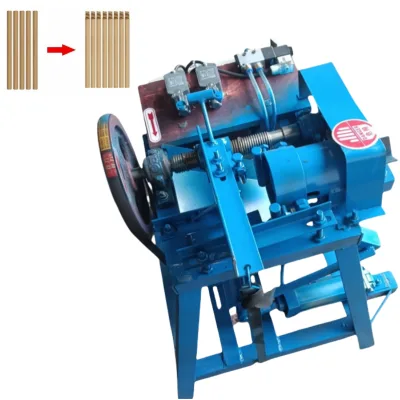


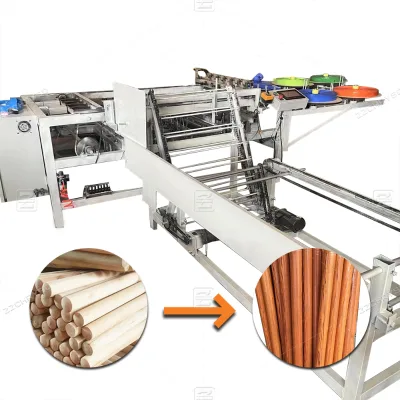


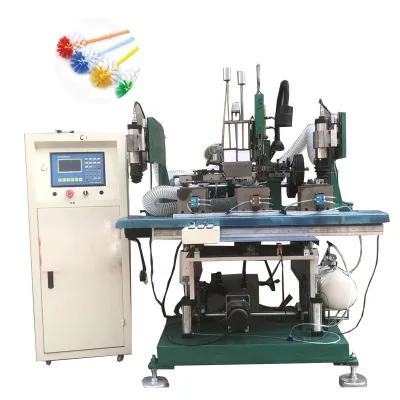
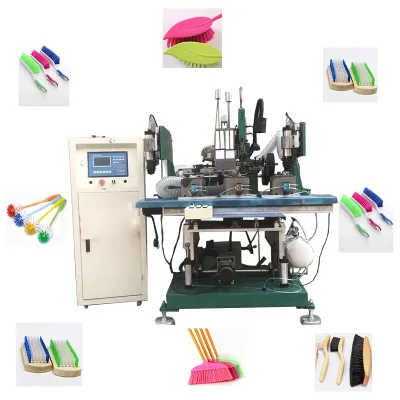


Comprehensive Sourcing Guide
Broom Handle Making Machine Sourcing Guide
The market for broom handle making machines presents a diverse range of automated and semi-automated solutions designed for various production scales. Buyers will observe distinct product categories ranging from general broom making machines to specialized units for handle fabrication, each tailored to specific operational needs. The observed listings indicate a strong focus on stainless steel construction, which ensures durability and resistance to corrosion in demanding industrial environments. This material choice is critical for maintaining hygiene and extending the lifespan of the equipment during continuous high-volume manufacturing cycles.
Procurement decisions must account for the significant variance in machine dimensions and power requirements found across different models. While some units operate with compact footprints and lower power consumption, others are engineered for heavy-duty processing with substantial motor outputs. Understanding these physical and electrical differences is essential for facility planning, as the equipment must fit within existing factory layouts while meeting the specific power supply capabilities of the installation site.
Product Scope and Observed Listing Signals
Buyers should expect to encounter machines labeled with specific functional names such as "Broom Making Machine" or "Mop Handle Making Machine," reflecting their specialized roles in the production line. The observed product data highlights models designed for distinct tasks, including cutting, shaping, and finishing wooden components. These machines often feature automatic grades and mechanical feed modes, indicating a shift toward streamlined operations that reduce manual intervention and increase throughput efficiency.
The listing signals reveal a clear emphasis on customization capabilities, allowing manufacturers to adapt machinery to unique production requirements. Many units are described as "Customized" or "Customization Available," suggesting that suppliers can modify specifications to match specific client needs. This flexibility is particularly valuable for buyers seeking to optimize their workflow for different handle lengths or diameters, ensuring the equipment aligns precisely with their product portfolio and production targets.
Technical Specifications to Verify
When evaluating technical capabilities, the maximum cutting diameter and working length are critical parameters that define the machine's versatility. Observed specifications indicate a maximum cutting diameter of 120mm and a working length range extending from 100mm to 950mm, though other models support significantly longer processing lengths up to 6000mm. Buyers must verify these limits against their intended product dimensions to ensure the machine can handle the full range of handle sizes required for their specific market applications.
Power consumption and motor configurations also require careful scrutiny to ensure compatibility with facility infrastructure. The observed data shows power ratings varying from 0.75kw to 5.5kw, with some units featuring dedicated feed motors and sanding motors for multi-stage processing. Voltage requirements typically range from 220V to 380V, and buyers must confirm that their site's electrical supply matches these specifications to prevent operational failures or the need for costly electrical upgrades.
Compliance and Safety Documentation
Safety and regulatory compliance are paramount when sourcing industrial machinery, with the CE certification appearing as a key indicator of adherence to European safety standards. This certification suggests that the equipment has undergone rigorous testing for electrical safety, mechanical integrity, and operator protection. Buyers should request valid certification documents to verify that the specific model they intend to purchase meets the necessary regulatory requirements for their target market.
Beyond certification, the physical condition and packaging standards of the equipment provide additional assurance of quality and transport safety. Listings frequently note that machines are in "New" condition and utilize fumigation-free wooden box packaging, which protects the unit during shipping while meeting international phytosanitary regulations. Ensuring that the packaging meets these standards is vital for avoiding customs delays and guaranteeing that the machinery arrives in pristine condition for immediate installation.
Cost Drivers and Commercial Terms
The price range for broom handle making machines is substantial, reflecting the complexity of the machinery and the level of automation provided. Observed listings show prices spanning from approximately 510 USD to over 23,000 USD, driven by factors such as motor power, precision capabilities, and the inclusion of advanced features like high-efficiency spindles. Buyers must align their budget with the specific performance requirements of their production line, recognizing that higher initial costs often correlate with greater long-term efficiency and lower maintenance expenses.
Commercial terms regarding minimum order quantities and lead times are equally important for effective procurement planning. While some listings indicate a minimum order quantity of just one unit, the actual delivery timeline and payment structures can vary significantly between suppliers. It is essential to clarify these terms early in the negotiation process to ensure that the purchase fits within the company's cash flow constraints and production schedule, avoiding potential bottlenecks in the supply chain.
Supplier Qualification and Quality Control
Supplier qualification should focus on the manufacturer's ability to deliver consistent quality and provide reliable after-sales support. The observed data highlights features such as high precision and low noise operation, which are indicators of robust engineering and quality control processes. Buyers should verify that the supplier has a track record of producing machines that maintain these performance standards over time, ensuring that the equipment remains reliable throughout its operational life.
Quality control extends to the manufacturing process itself, with many machines featuring automatic grades and precise control modes. The presence of double-spindle layouts and specific spindle configurations suggests a focus on precision and stability during operation. Buyers should request detailed information on the supplier's quality assurance protocols, including how they test for precision and efficiency, to ensure that the delivered equipment meets the rigorous demands of industrial production environments.
Long-Term Procurement Checks
Long-term procurement success depends on the availability of spare parts and the supplier's commitment to ongoing technical support. Machines with complex motor systems and specialized components require a reliable supply chain for maintenance and repairs to minimize downtime. Buyers should establish clear agreements regarding the availability of replacement parts and the supplier's response time for technical assistance to ensure continuous operation of their production lines.
Finally, the adaptability of the machine to future production needs is a critical factor for long-term value. As market demands evolve, the ability to adjust the machine for different handle lengths or materials becomes increasingly important. Buyers should assess the machine's flexibility and the supplier's willingness to provide upgrades or modifications, ensuring that the investment remains relevant and productive as the business grows and changes over time.
FAQs
What is the power consumption of a broom handle making machine?
The power consumption varies by model, typically ranging from 0.75kw to 5.5kw. For instance, the HT-RM04 model uses 0.75kw, while the HT-CTB4 requires 5.5kw. The HT-BC1000 operates at 3kw. These machines generally use 220V or 380V electric power sources to ensure efficient production of broom handles and rods.
Can I customize the dimensions of the broom handle making machine?
Yes, customization is available for many broom handle making machines. The HT-CTB4 model supports customized specifications. Buyers can adjust the working length, which ranges from 100mm to 950mm for certain models. This flexibility allows manufacturers to produce handles of varying lengths, such as the 250mm to 6000mm range found in other units.
What certifications do broom handle making machines have?
Many broom handle making machines carry CE certification, ensuring compliance with European safety standards. This certification is a key attribute for the HT-RM04 model. Buyers should verify specific certification details for each machine type to ensure they meet local regulatory requirements for industrial equipment used in production environments.
How much does a broom handle making machine weigh?
The weight varies significantly based on the machine's capacity and complexity. The HT-RM04 weighs 80kg, while the HT-CTB4 is much heavier at 550kg. The HT-BC1000 model weighs 500kg. These weights reflect the robust construction, often using stainless steel, necessary for high-precision and automatic processing tasks.
What is the maximum cutting diameter for these machines?
The maximum cutting diameter depends on the specific model. The HT-CTB4 model supports a maximum cutting diameter of 120mm. Other models may have different specifications. Buyers should check the technical specifications for each machine to ensure it can handle the raw material dimensions required for their specific broom handle production needs.
Where are broom handle making machines manufactured?
Many broom handle making machines are manufactured in Henan, China. This region is a known production hub for such industrial equipment. Buyers sourcing these machines should consider the origin when evaluating logistics, lead times, and supplier reliability. The HT-RM04 model, for example, originates from this location.